When Does a Clio Construction Site Need a Holding Tank?
A crew is working beyond the reach of a sewer connection, and portable toilets alone do not solve the site’s wastewater needs. A holding tank may be appropriate when a temporary facility needs above-ground storage and there is no approved connection to a permanent system.
Plan the tank around the expected wastewater volume and how a service truck will reach it. Spring thaw can leave construction sites muddy, so a route that looked firm during planning may become difficult for heavy vehicles.
Near the Clio Area Library, a delivery plan still needs a clear, workable drop-off location rather than an assumption that every access point suits a truck. Clio Bowl event traffic is another reminder to confirm timing and site access. Ask about capacity, placement, and pump-out arrangements before work begins.
When Does a Job Need Temporary Storage?
A construction crew lacks nearby toilet or wastewater access when the site has no usable sewer connection, the work area is remote from existing facilities, or temporary plumbing produces wastewater that needs controlled storage. That is when a holding tank may be needed; it is not simply a larger portable toilet.
A tank stores wastewater until an authorized service provider pumps it out and takes it to an appropriate receiving facility. Confirm what will drain into the tank before choosing its size.
Capacity varies by model, and guessing low can lead to a premature service visit or an overflow risk. Keep the disposal plan clear.
Our crew has learned that access planning matters as much as the tank itself. At the Clio Amphitheater, an event setup may need a different delivery plan from a long-running construction job; tell the provider what equipment and wastewater the tank must accommodate.
The Clio Middle School name is a useful location reference when coordinating a nearby project, but the crew should still give an exact drop-off point and site contact. Frequent freeze-thaw cycles can soften access routes, so check ground conditions before a heavy service truck arrives. A soft route can delay pump-out and disrupt the site schedule.
What Site Conditions Should You Check?
A delivery address is not enough. Identify a level placement area, allow truck access for delivery and pump-out, and keep that route clear throughout the rental.
If a project near Vienna Road has narrow entry or changing work zones, mark the intended drop-off location and tell the driver about gates or other restrictions in advance. Strong storm winds may affect temporary unit placement; choose a sheltered, stable location where permitted and ask how the tank should be secured. Do not place equipment where it can block site operations or vehicle movement.
The Clio Area Schools Administration can serve as a useful local reference when giving directions, but it does not replace specific gate instructions or a confirmed site contact. We ask about those details before scheduling because a truck that cannot reach the tank cannot service it. If construction phases move the equipment or change access, update the service plan rather than waiting for the next visit to discover the route is blocked.
When Should You Call a Pro Instead of DIY?
A project manager can inspect the proposed area, estimate what wastewater streams enter the tank, and keep access clear. That is useful preparation.
But tank selection, delivery, pump-out, and waste transport are not a DIY disposal job: use a service provider equipped to handle those steps and confirm the destination for collected waste. A makeshift container is not a reliable substitute for a tank selected for the site and serviced on a planned schedule.
For the Clio City Park area, nearby activity and changing site access can make precise delivery instructions especially useful. We coordinate placement and service around the site contact, route, and expected use. If the location is uncertain, send the address and access details before booking. Do not wait until the tank is nearly full to ask how service works.
How Does the Service Plan Prevent Delays?
Set the service interval from expected use and tank capacity, then confirm who can request an extra visit if site conditions change. A planned route visit is different from an on-call pump-out; ask which applies, how to report a problem, and what access the truck needs. Keep the access lane free on service days and provide updated gate instructions if the worksite changes.
A tank that fills sooner than expected can interrupt work, while a blocked route can make a scheduled visit impossible. Our team uses the site contact and drop-off details to plan delivery and upkeep.
For broader crew restroom planning, see our guide to OSHA 29 CFR 1926.51 construction toilet access requirements. For tank needs and site placement, review our holding tank rental service and share the project’s expected use and access constraints.
Which Holding Tank Setup Fits a Clio Job?
A remote site without a sewer connection may need wastewater storage, while worker restroom access calls for a different setup. Match the equipment to the waste stream and use.
| Option | Best for | Key detail |
|---|---|---|
| Holding tank rental | Temporary wastewater storage | Capacity varies by model; confirm what will drain into it |
| Standard portable toilet rental | Basic crew restroom access | Self-contained waste tank; does not replace a project’s wastewater holding plan |
| ADA accessible porta potty rental | Accessible restroom access | Roughly 5 feet wide and 5 feet deep; plan room for placement |
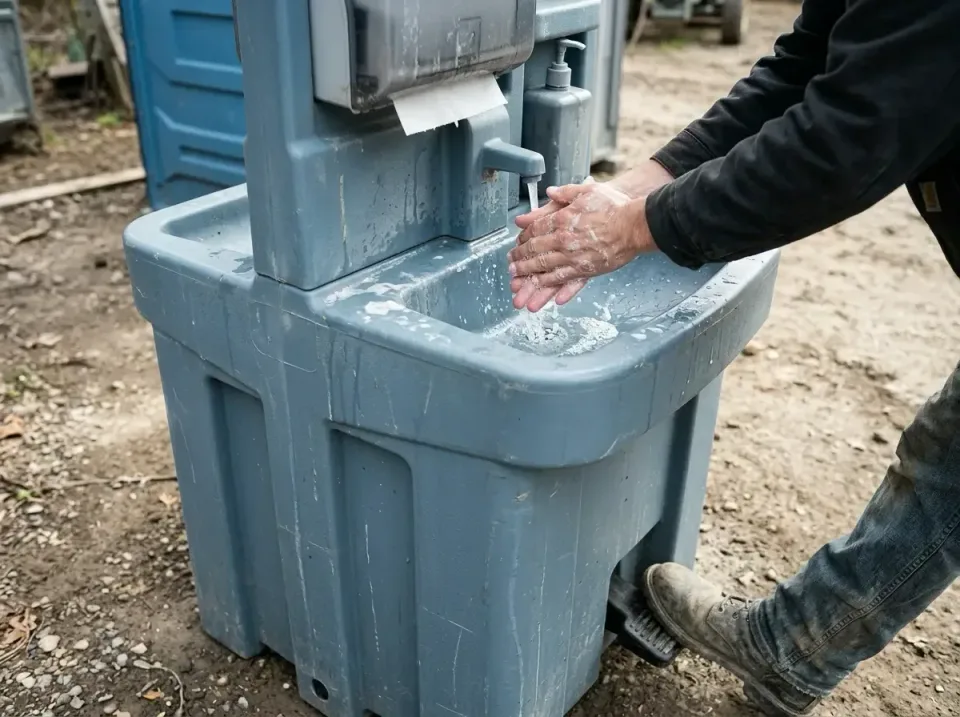
| Hand-wash station rental | Handwashing near portable toilets | Freshwater and graywater tanks provide a separate washing setup |
For a site reached from M-57, provide the precise entrance and truck route; the road name alone is not a delivery instruction. Interstate 75 access can help orient dispatch, but the final approach and gate details still matter. A project near Clio Depot should likewise identify its actual drop-off location. Check clearance, placement, and pump-out access before choosing.
How Do You Prepare a Clio Site for a Holding Tank?
A few clear details help prevent a missed delivery or blocked pump-out. Prepare the placement area before scheduling.
-
Confirm the contact: Give the delivery team the job address, on-site contact, and a phone number the driver can use.
-
Choose placement: Identify level ground away from vehicle traffic, and get the property manager’s approval for the drop-off location.
-
Check truck access: Keep the delivery and service route open; if the job is near Clio Road, specify the correct entrance rather than relying on the road name alone.
-
Plan for rain and leaves: Annual precipitation occurs throughout the year, so check that the route will remain passable; clear autumn leaves that could obstruct drains or access paths.
-
Set service timing: Tell the provider how long the rental will run and agree on pump-out frequency and pickup arrangements.
If directions mention the Clio Area Fire Department or Edgerton Elementary School, include the exact site entrance and access instructions too.
Ready to Plan a Clio Construction Tank Rental?
A crew working without sewer access should plan wastewater storage before the site is active, not after the tank becomes urgent. Choose a tank based on expected use, then confirm placement and truck access with the service provider.
Spring rainfall may create saturated ground, so a route that supports delivery in dry weather may need a second look before service day. During hot, humid summer afternoons, report changing use promptly so the agreed service plan can be reviewed.
If a job near Clio City Hall needs a delivery, give the team the exact entrance and site contact. Clio Elementary School can help orient local directions, but precise placement instructions matter more.
Share the address, expected duration, and access constraints with MI Toilet Pros for holding tank rental and request a site-specific plan.